What Does THCa Do To You?
If you have been browsing the shelves of your local hemp dispensary or scrolling through online catalogs lately, you have likely stumbled across a compound called THCa. It is currently one of the most talked-about topics in the cannabis world.
But despite its sudden popularity, there is still a significant amount of confusion surrounding what it actually does. You might be wondering if it is just another wellness supplement like CBD or if it packs a punch closer to traditional marijuana.
The answer is nuanced. To truly understand the effects of tetrahydrocannabinolic acid, or THCa, you have to look at it through two very different lenses: raw versus heated. This distinction changes everything about the experience. In this guide, we are going to explore exactly how this cannabinoid interacts with your mind and body.
We will cover the sensations you can expect, the intensity of those effects, and the crucial science that determines whether or not you end up feeling intoxicated.
The transformation: From raw potential to heated experience.
Note: This guide focuses strictly on the immediate, experiential effects of THCa. We are looking at how it feels right now, not the long-term wellness potential or therapeutic claims often associated with daily supplementation.
What Are the Effects of THCa?
When we talk about the effects of THCa, we are really talking about two potential experiences. The first is the raw experience. In its natural state, found on fresh cannabis plants, THCa is non-intoxicating. You could consume a significant amount of raw flower without feeling any sort of euphoric high. It is subtle. It is grounded. It is primarily physiological.
However, most people encountering THCa today are not eating raw leaves in a salad. They are buying "THCa flower" to smoke or vape. This brings us to the second experience.
When you apply heat to THCa, it instantly converts into Delta-9 THC. At that moment, the effects shift from subtle to intense. You are no longer dealing with a passive precursor. You are dealing with the active, psychoactive compound known for producing the classic cannabis high.
The intensity of these effects depends entirely on your method of consumption. If you keep it raw, the effects are mild and bodily. If you light it up, the effects are potent, immediate, and cerebral.
How It Affects The Body
If you choose to consume THCa in its raw form, perhaps through a tincture or a raw dietary supplement, the impact on the body is often described as a sense of ease. It does not weigh you down or make you feel "stuck" to the couch. Instead, users often report a general feeling of physical relaxation that hums in the background of their day.
It is less about what you feel and more about what you don't feel. You might notice a reduction in physical tension or a quieting of the usual bodily noise that accompanies a long day.
When heated, however, the body effects transform completely. Once that chemical conversion happens, the sensation becomes heavy and pronounced. A wave of relaxation tends to wash over the muscles. This is the classic "body load" associated with potent cannabis strains. Your limbs might feel heavier. The tension in your shoulders might evaporate, replaced by a deep, sinking comfort.
For some, this can lead to a strong desire to sit down and do absolutely nothing. It is a deeply physical experience that demands your attention, unlike the whisper-quiet effects of the raw compound.
Appetite changes are also a major factor here. Raw THCa typically does not send you raiding the pantry. Heated THCa, on the other hand, is notorious for triggering a robust appetite. If you are smoking THCa flower, you should be prepared for the munchies to strike hard and fast.
How It Affects The Brain & Mood
The cognitive effects of THCa are where the line between raw and heated becomes most distinct. Raw THCa is remarkably clear-headed. It does not fog your thoughts or alter your perception of time. You remain sharp, focused, and completely present. Some users describe a subtle mood lift or a sense of mental clarity, but it is not a "high" in any traditional sense. You can go about your work, drive a car, and hold complex conversations without any impairment.
Heat changes the game entirely. When THCa becomes THC, it binds directly to the CB1 receptors in your brain. This interaction sparks a cascade of mental effects. You might feel a sudden rush of euphoria or a shift in your perspective. Worries that seemed monumental five minutes ago might shrink into insignificance.
There is a distinct shift in mental energy as well. Depending on the specific strain you are using, your mind might race with creative ideas, or it might slow down into a dreamy, introspective state. Time dilation is common. Minutes can feel like hours. Music might sound richer, and colors might appear more saturated. This is a full-spectrum psychoactive experience. It is not just a mood boost; it is a temporary alteration of your conscious reality.
Visualizing the duality: Cerebral intensity meets physical relaxation.
Common Short-Term Side Effects
While many enjoy the effects of THCa, it is important to be aware of the potential downsides. These side effects are generally mild and temporary, but they can catch you off guard if you are not prepared.
- Digestive Upset (Raw): The human body sometimes struggles to break down raw plant acids, which can lead to a bit of stomach cramping or nausea.
- Dry Mouth (Heated): You might find your tongue feeling like sandpaper within minutes of inhaling.
- Red, Dry Eyes (Heated): A standard side effect of traditional cannabis.
- Fatigue: Especially with heavy doses, pleasant relaxation can tip over into overpowering drowsiness.
- Dizziness: Lightheadedness can occur, particularly if you stand up too quickly.
- Anxiety or Paranoia: Possible with heated THCa, especially if you have a low tolerance or consume more than you intended.
What Does It Feel Like?
Describing the feeling of THCa requires us to split the narrative once again.
The raw THCa experience feels "clean." It is often described as a non-event by people expecting a buzz. You might take a raw tincture and wonder if it is working at all. Then, an hour later, you realize you haven't been clenching your jaw for the first time all day. It feels like a return to baseline. It is grounding and subtle. It feels like your normal self, just slightly more calibrated.
The heated THCa experience is rich and immersive. It feels "loud." The onset is usually rapid if you are smoking. You might feel a pressure behind the eyes or a tingling sensation spreading across your scalp. A warm fuzziness tends to wrap around your thoughts. There is often a sense of detachment from immediate stressors. You might feel floaty, giddy, or deeply introspective.
The strength of this feeling is directly tied to the quality of the flower and your personal tolerance. High-quality THCa flower can be incredibly potent. It is not "diet weed" or a "lite" version of the real thing. It feels robust, full-bodied, and complete. Every person's endocannabinoid system is unique, so while one person might feel energized and chatty, another might feel sedated and introverted.
Does It Get You High?
This is the most common question, and the answer requires a definitive distinction.
No, raw THCa does not get you high. It is non-intoxicating. Its molecular shape prevents it from binding effectively to the receptors in your brain that trigger a psychoactive response. You can consume it without fear of impairment.
Yes, heated THCa gets you high. Absolutely. When you smoke, vape, or cook THCa, you are converting it into Delta-9 THC. The resulting high is indistinguishable from the high you get from marijuana bought in a state-licensed dispensary.
Important Safety Note
It is critical to understand this mechanic. Many people buy THCa flower thinking it is a hemp product that will remain non-intoxicating. That is a misunderstanding. If you light it on fire, you are signing up for a psychoactive experience. The "hemp" label refers to the chemical state of the plant before you use it, not the effects it produces after you use it.
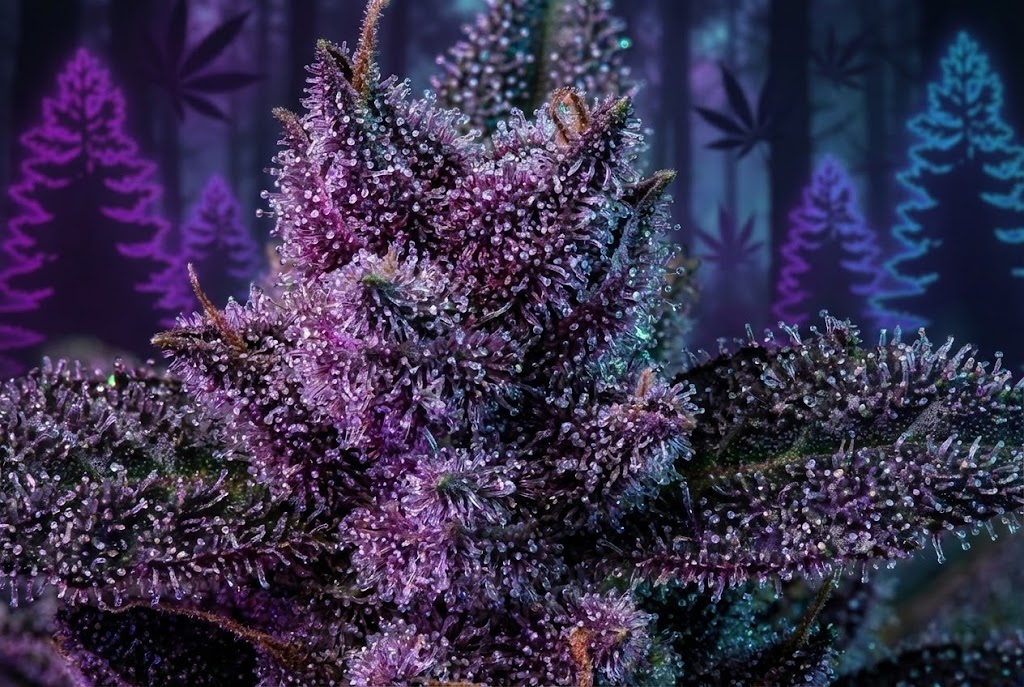
The crystalline trichomes hold the raw chemical potential before heat is applied.
How Does THCa Compare to Other Cannabinoids?
Understanding where THCa fits in the cannabinoid family tree helps manage expectations.
THCa vs. CBD
Raw THCa shares more in common with CBD than it does with THC. Both are non-intoxicating and are often used for wellness purposes. However, they feel different. CBD often has a calming, anxiety-reducing "hush" to it. Raw THCa tends to feel more physically activating and alertness-preserving. They target different pathways in the body, so while the lack of a high is similar, the internal sensation is distinct.
THCa vs. Delta-9 THC
This is a comparison of potential versus kinetic energy. THCa is the potential; Delta-9 THC is the kinetic release. When heated, they are functionally the same thing. There is no "THCa high" that is different from a "THC high." The molecule literally changes identity. If you are used to traditional cannabis, heated THCa will feel completely familiar.
THCa vs. Delta-8 THC
Delta-8 is a different isomer entirely. It is often described as "weed lite." It is psychoactive, but usually less potent and less anxiety-inducing than Delta-9. Heated THCa is significantly stronger than Delta-8. If Delta-8 is a glass of beer, heated THCa is a shot of whiskey. It hits harder, lasts longer, and produces a more intense cerebral effect.
Effects: Key Takeaways
- Raw vs. Heated: This is the only distinction that matters. Raw is subtle; heated is psychoactive.
- The High: Heated THCa produces a potent, euphoric high identical to traditional cannabis.
- The Feel: Raw feels grounding and clear. Heated feels floaty, warm, and altered.
- Side Effects: Watch out for dry mouth and fatigue if you are smoking it.
- Legality vs. Reality: Just because it is sold as hemp does not mean it won't impair you.
Frequently Asked Questions
How long do the effects of THCa last?
If you are smoking THCa flower, the effects typically peak within 30 minutes and can last anywhere from two to four hours. If you consume raw THCa in an edible or tincture form, the subtle physiological effects can linger for six hours or more, though they are harder to track since they aren't psychoactive.
How fast do effects start?
Inhalation provides near-instant results. You will likely feel the shift within minutes of your first puff. Raw consumption is slower, as it has to pass through your digestive system.
Can you feel too much of THCa?
With raw THCa, "too much" usually just manifests as an upset stomach. With heated THCa, you can absolutely overdo it. This is called "greening out," characterized by dizziness, nausea, and anxiety.
Will this cannabinoid make me fail a drug test?
Yes. Most standard drug tests look for THC metabolites. Your body processes THCa into the same metabolites, especially if you have heated and inhaled it. Even raw consumption can trigger a positive result.
Do edibles vs tinctures vs vapes feel different?
Drastically so. Vapes and smoke hit hard and fade faster. Edibles (if decarboxylated/heated) produce a much stronger, body-heavy high that can last up to 8 hours. Tinctures offer a middle ground, with faster onset than edibles but longer duration than smoking.
Can you mix cannabinoids?
Yes, and many people do. Mixing raw THCa with CBD is a popular non-intoxicating stack. Mixing heated THCa with CBD can help smooth out the edges of the high and reduce the risk of anxiety.